Mega-farms: Good or bad or just bad for local businesses
Once upon a time, not that long ago, every 100 acres along the concessions was an operating farm supporting a family: a husband, wife and some kids. Most milked some cows, kept some hens, pigs and occasionally sheep. As the children got older they would either buy a farm from a retiring neighbour or marry another farmer’s child. The farm had at least one tractor and a modest line of machinery. Neighbours helped each other out and shared equipment. They largely shopped in the area, going “to town” for a big shop once a month or so and generally led a good life.
 As time rolled on, one farmer would buy up his neighbour’s farms, enlarging his land base and specializing in one product instead of a variety. Milking cows, running poultry, a barn full of pigs or pure cash crop. Sheep seem to be the current “in thing” but confined, not pastured. Tractors got bigger as did the equipment. Both got pricier.
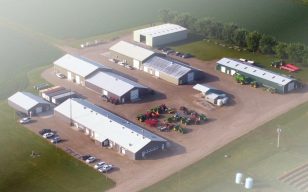
Nowadays it is common to find a rural road that has not one operating resident farm still on it. The land is owned by big farmers several concessions away or even in the next township. These farms count their acreage in the thousands, employ a line of hired help and in many cases the owner farmer is more of a manager than a farmer, trying to juggle everything with his family. The houses on the farms he amalgamates with his holdings are either severed and sold to non-farmers from out-of-the-area or torn down as it takes too much trouble to rent to those who don’t look after the house.
A topic we have often debated at our table is if this era of mega farms is better or worse for rural Ontario and, to be honest, there are pros and cons to both sides. So the conversation continues. Our son asked a very large farm operator for his thoughts and the farmer himself couldn’t decide either way.
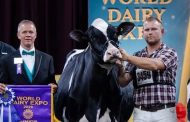
We are, by current standards, a small farm of 330 acres, 70 of which we are still bringing back into production. We milk about 40 purebred Jersey cows filling a grass-fed milk niche market for which we get a premium for not feeding corn silage, something we have never done anyway. Jerseys do extremely well on a forage diet, plus produce lots of butterfat on it. We also raise bull calves to about 400 lb. and sell free-range eggs from about 30 hens.
We buy either good used equipment, which takes months to locate these days, or good equipment needing moderate repairs which we do ourselves. Our seven (or is it eight?) tractors are all pre-computerization so easier to repair. To clear our own land, we have a line of used construction equipment, from an excavator on down and use it in our spare time or our eldest grandson does.





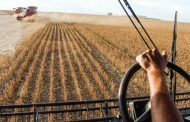
Meanwhile the mega farms have to deal with massive bills for machinery costing hundreds of thousands of dollars which enable them to cover as much land as possible in fewer passes. Livestock barns cost millions and are almost completely run by robots and computers that, by purchasing and installing, take a good chunk out of the profits, as well as need far too much regular maintenance.
They also have to deal with hiring (and firing) employees and all the problems that being an employer brings, including unreliability, bookwork and payrolls.
Whether a rural area is better off for having fewer but much bigger farms is food for thought. Possibly more smaller farms would have kept the towns and villages’ more financially viable with more people using them. Maybe banks wouldn’t be pulling out and maybe the local gas station, corner store, feed store or hardware store would have stayed in business like the village bars have managed to.
Angela Dorie is an agricultural writer and a Jersey farmer near Cornwall.