Ontario to develop pollinator drones to replace bees
Nelson Zandbergen
Farmers Forum
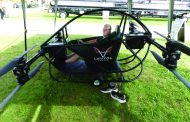
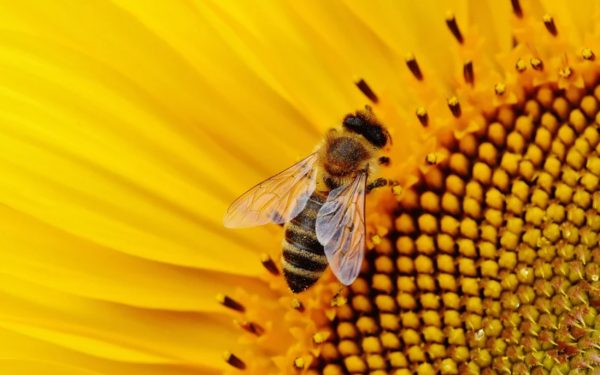
OTTAWA — Miniature drones may one day buzz through Ontario greenhouses, mimicking the vital pollination job now largely performed by indoor bees.
Led by University of Guelph researcher and professor Sheng Yang, the cutting-edge project is developing a drone pollinator to improve fruit crop yields and quality. The drones will be the size of a hand and will be initially used to pollinate strawberries, he said.
U.S. and Chinese militaries are already working on spy drones the size of insects.





Commercial bumblebees are most popularly employed to pollinate enclosed greenhouse crops, a task more rarely performed by hand as well. Yang aims to do better than both of these methods with autonomous drones “equipped with high-tech navigation, cameras and pollen-dispersal technologies,” according to the Ontario Agri-Food Alliance project.
The units “will move through greenhouse rows to stimulate flowers in a manner similar to bee pollination. Unlike bees or manual labour, drones can operate consistently throughout the flowering period, improving pollination reliability.”
The drones are one of 34 made-in-Ontario agricultural research projects recently awarded a combined $7 million by the provincial government through the Ontario Agri-Food Innovation Alliance. All research is taking place in the province’s network of 14 facilities operated by Agriculture Research Innovation Ontario.
Among the other high-tech recipients featured in this round of innovation grants is a University of Guelph project that will add precision-feeding technology to a robotic milking system, with an eye to improving milk-production efficiency while lowering greenhouse gas emissions. Prof. Trevor DeVries will oversee this research.