


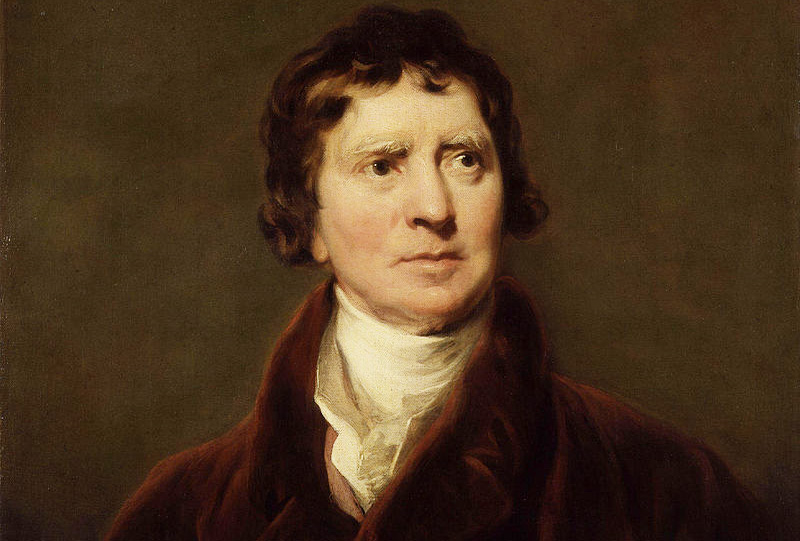
Henry Dundas
Toronto takes on slave trading name to replace the famous Dundas, who opposed slave trading
Nelson Zandbergen
Farmers Forum
TORONTO — Rural Dundas County won’t lose its name to historical revisionism, but Toronto politicians have no such scruples about dumping the ‘Dundas’ moniker from the prominent sites of Hogtown.
Poor old 18th century Scottish politician Henry Dundas argued against slave trading but is now being erased from the city’s downtown square for complicity in slave trading. His name will be exchanged for a name borrowed from an African tribe with no connection to Canada but actively involved in slave trading.
That’s the ironic upshot of a unanimous Toronto city council vote in December that okayed the removal of ‘Dundas’ from three locations while reluctantly leaving Dundas Street unchanged.
Yonge-Dundas Square will become Sankofa Square as a result — ‘sankofa’ being a term from the tongue of Ghanaian tribe that sold slaves to Europeans. Meanwhile, Toronto wants to purge its actual connections to historical Henry Dundas, a Scottish legislator who supported the abolition of slavery in the British empire more than 200 years ago. “My opinion has been always against the slave trade,” Dundas famously said.


However, he got hammered for arguing that the slave trade needed to be eliminated over time as he said that an outright ban would drive the trade underground and likely into the hands of foreign nations where it would be beyond British control and more difficult to stop.
Dundas didn’t act fast enough, according to his contemporary critics. His offence was to ensure an abolitionist bill won support in 1792 by adding the word “gradual” to describe the coming end of slavery. This compromise bill was quashed by the House of Lords and slave trading wasn’t abolished in Britain until 1807, 15 years later. Dundas died in 1811. Slaves themselves were freed in 1838, but only after slave owners were compensated for loss of property.
Toronto council opted to retain ‘Dundas Street’ because changing the street’s name would have cost as much as $12.7 million. The city began looking at the potential name change in response to a 2020 petition, which emerged during the Black Lives Matter protests of that year. In 2020, the Black Lives Matter and Antifa demonstrations caused more than $1 billion in property damages and more than 25 people were killed.
Meanwhile, Dundas remains an accepted part of Ontario’s agricultural and rural landscape — especially in Eastern Ontario. Dundas County is subdivided into North Dundas and South Dundas townships. The flat-as-a-pancake fields of Dundas are among the most fertile in the province, producing commodity crops and feeding a thriving local dairy sector. The Dundas name is also incorporated into the region’s upper-tier municipality — the United Counties of Stormont, Dundas and Glengarry.
North Dundas Mayor Tony Fraser had no appetite for dumping the Dundas name when he spoke with Farmers Forum on the subject in 2021, saying it was a “slippery slope.”
“Where do you stop? How did this country come to be? We were a colony. Where do we go from here? Do we all go back to where we came from and leave where we live, work and raise our families?” Fraser asked at the time.
In Southwestern Ontario, the community of Dundas is part of Hamilton and includes substantial rural areas. While Hamilton mayor Andrea Horwath pushed for the renaming of Toronto’s Dundas Street when she was still an MPP and leader of the provincial NDP, she hasn’t proposed the same for Hamilton’s Dundas ward since her 2022 election as mayor.


