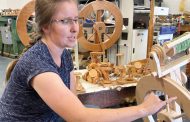
This community pasture was set up in Western Ontario last year.
Rent-a-pasture for cows has become attractive option for young farmers
But in Leeds County costs are debated
Nelson Zandbergen
Farmers Forum
OTTAWA — Since 1965, farmers lacking enough land to graze their cattle have turned to “community pastures.” For a fee, a farmer’s animals share space at one of 11 sprawling fields across Ontario from May through October.
Pasture users receive a full-service contract where a hired worker, or grazier, monitors and checks on the livestock daily. This seasonal care includes maintaining the fencing and a continuous water supply and, treating cattle dealing with ailments like pinkeye or sore feet. It also includes salt and minerals to supplement the pasture the animals feed on.
But the cumbayah spirit of cooperation behind the old concept has broken down in Leeds County, where farmer backlash over a local fee hike has left a 1,500-acre shared pasture ungrazed for a second consecutive year.




Chair of the Leeds County community pasture, Kim Sytsma, said they had to raise seasonal fees for a cow-calf pair from $125 to $495 and need at least 200 cows to cover costs of the hired hand. Producers, however, long accustomed to heavily suppressed rates that hadn’t seen a significant adjustment since the Mad Cow (BSE) crisis, balked and withdrew their herds, Sytsma said.
The pasture, located between Soperton and Plum Hollow, hosted no cattle in 2025. And they didn’t have enough cattle this year, she said. Sytsma defended the price increase, pointing out that standard private pastures command a minimum of $300 to $350 for the season. The chairman of the Ontario group that overseas pastures, the Association of Community Pastures, Don Hargrave agreed that a fair seasonal price for a cow-calf pair could be from $350 to $500.
Revenues had gotten so tight for the Leeds group, the pasture’s secretary treasurer used her personal credit card to temporarily carry $10,000 to $12,000 in operating costs that accumulate before the cattle owners pay what they owe at the end of the season. In the spring of 2025, she informed the board she couldn’t do that anymore. That prompted the fee hike and last year’s exodus of producers. It also led to the more recent push to incorporate, allowing the board to obtain its own credit card, according to Sytsma.
Former Beef Farmers of Ontario president Craig McLaughlin of Renfrew emphasized that community pastures are a “hot commodity” in high demand at a time when 60 % of new applicants to the Ottawa Valley Breeder Co-operative finance program are under age 40. He noted that these young producers see a profitable future in beef and want to expand, but when pastures like Leeds sit idle, it heavily stifles and discourages them right at the beginning of their careers.
Sytsma agreed it was important that young producers “get their feet under them” through accommodation at community pastures. The Leeds board has made it a priority since 1980, she said, and will “kick an old guy off” to make way for a new producer “so that he has a chance to make it.”