Bruce Hudson
Ottawa-area hog farmer stuck between home-grown trade barrier and U.S. tariff threat
Nicholas P-M
Farmers Forum
KINBURN — An Eastern Ontario hog operation faces an uncertain future due to trade barriers from within Canada and without.
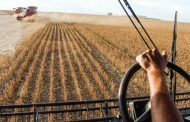
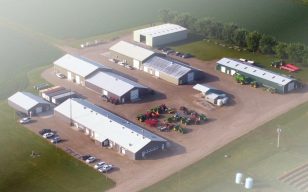
Sixth-generation Kinburn crop farmer Bruce Hudson, west of Ottawa, is in a tight spot facing possible tariffs from the U.S., a lack of processing facilities within Ontario and an interprovincial trade barrier between Ontario and Quebec. He fears he might have to shut down his hog operation that finishes 3,000 hogs per year. Eighty per cent of his hogs go to Pennsylvania while the rest are processed at local abattoirs.
His operation is small and he figures there are only 10 hog operators now in Ontario east of Toronto. There are about 1,900 hog farms in Ontario. Statistics Canada reports that there are 6,885 hog farms across Canada.
Ontario produces around 110,000 hogs weekly but the processing capacity is 95,000 hogs per week. The remaining 15,000 have been sold state-side since 2023, when Olymel closed a federally-licensed Quebec facility.




Internationally sold hogs must be processed in a federally-licensed facility.
Within Canada, hogs cannot be processed in Ontario and then sold into Quebec. Canadian critics have long argued that inter-provincial trade barriers are too restricting and are counter productive. “Inter-provincial trade barriers unnecessarily constrain the growth of the Canadian economy in ways both big and small,” argues a Canadian Chamber of Commerce report.
“So if I had a pig that I wanted to get processed (at a provincially-licenced abattoir in Shawville, Quebec), I can’t bring it back and sell it, but I can bring it back and use it for my own use,” explained Hudson co-owner of Panmure Farms Ltd. The same is true for a Quebec farmer who butchers a hog at a provincially-licensed abattoir in Ontario, he said.
But now a possible U.S. tariff of 25 % on Canadian hogs will make things even worse. Hudson figures “I will lose money feeding pigs, you know, that’s for sure. I can probably survive. I can manage it. I have pigs here that I will have to market through for the next six months because they’re in my barn, they’re in my system. I’m going to move them someplace, you know, and then I’ll have to decide if I stay in or not.”
He figures hog farmers can hang onto their businesses if tariffs are just a short-term hiccup.
Meantime, Hudson is not happy that each province has its own rules and believes they should agree on “shared regulations” to move products faster and more easily to markets. It would also attract investment, he said. “I think it would show any investor that we can cooperate within our own country.”
Western Ontario hog farmer Stewart Skinner sells 95 % of his 40,000 pigs per year to U.S. buyers and told Reuters news agency that he renegotiated some sales agreements so U.S. buyers would take delivery of the pigs in Canada and pay the tariffs themselves when they cross the border.
If the U.S. imposes tariffs that are here for the long term, Skinner says he will ship all piglets to the U.S. as piglets sell for a lower price and, therefore, the tariff hit is lower.