Most of the conversations surrounding this year’s soybean crop has been about how good the crop looked and how big the production potential might be. Watching the soybean markets now is about as exciting as staring at a fly tape (those sticky strips that used to hang in milk houses and back kitchens when I was a kid). The reality is that we know how this is going to end for the 2024 soybean crop, and it’s not going to be very interesting.
It’s time to look forward to the things that we don’t yet know, and the mysteries which can change the market’s direction as the crop year ahead starts to play out.
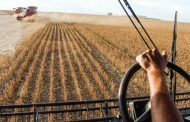
In a month, farmers in South America will be busy starting to plant their soybean crop which will be harvested in the first half of 2025. There are more soybeans grown in South America than anywhere else in the world, so how their planting season goes, and the weather conditions as their crop grows and develops have massive implications for all of the oilseed markets all over the world.
Current meteorological models predict that there is a 74 % chance that a “La Nina” weather system is going to develop and extend from November of 2024 to February of 2025. That timing perfectly coincides with the soybean growing season for the South American crop. Typically in a La Nina weather system, northern and central Brazil have adequate rainfall, but southern Brazil and much of Argentina experience drought.
In two recent growing seasons (2021-2022 and 2022-2023) South American farmers dealt with a La Nina growing season, and in both years they experienced lower than normal soybean yields and it resulted in higher prices for soybeans all around the world. In 2021-2023, Brazil experienced the greatest reductions in soybean yields and in 2022-2023, Argentinian crops suffered more from the weather system.




The market has yet to figure out the potential impact of a La Nina on South American crops, but prices are certain to react as the situation unfolds. At this point climate modelling suggests that it is more than likely that a La Nina will develop, but at this point there is no certainty about how strong of system it might turn out to be. For example, in our part of the world it is reasonable to say that it might snow, but there’s a big difference between scattered flurries and a blizzard. There’s no way yet to predict how intense La Nina’s impact might be on Brazil and Argentina’s soybeans as they grow and mature in November, December, and January. But because of its capacity to impact prices, the La Nina effect certainly deserves our attention in the months ahead.
There’s an old saying in the markets that, “there is no cure for low prices better than low prices.” Basically, what this suggests is that if burdensome big supplies of a crop make growing it unprofitable, farmers will shift their production to other types of crops and the big supplies will dry up, and prices will recover. Watching world-wide soybean cash prices slump lower for the tail end of the 2023 crop and right through the 2024 crop, there’s a reasonable question to be raised about whether South American farmers will choose to plant less soybeans in November of 2024 or if North American farmers might opt to change their cropping plans away from soybeans in the spring of 2025.
Brazilian soybean acreage has increased enormously over the past five years. In the 2020-2021 crop year, Brazil grew 39.5 million acres of soybeans. And that seeded area has increased to 47.3 million acres in this past year’s crop. It’s unlikely that we will see Brazil drop back to their five-year average of 41 million acres of soybeans planted, but even if all that the current price does is to stall soybean production growth in Brazil this year, it would be supportive to values.
It will not be until February and March of next year that the market will get a clear picture of what North American farmers are planning to grow but we’re going to know fairly soon how many acres of soybeans have been planted in South America and if those numbers come in smaller than expected it could change the trajectory of our cash bids.
The biggest marketing opportunity that Canadian growers had on soybeans in 2021 was the post-harvest rally in November and December as weather issues plagued the South American crop. (Soybean futures experienced a similar rally in the fall of 2022, but it wasn’t as dramatic.)
There are certainly still going to be a few bumps and slides in soybean futures as small adjustments are made to North America’s final figures on this year’s soybean crop, but in terms of real potential to drive prices it’s time to turn our attention away from this crop that we already know too much about and focus our attention on the potential opportunities from a South American crop growing season that is yet to unfold.
The excitement lies in what we don’t know but are soon to find out.
Steve Kell is a Simcoe County crop farmer and handles grain merchandizing for Kell Grain, with elevators in Belleville and Gilford

Farm workers harvest soybeans in Brazil. There are more soybeans grown in South America than anywhere else in the world, although their yields per acre are about half of what farmers see in North America.