CROP REPORT: East

CORN
• Corn silage moisture levels between 60 % and 65 % and lots of volume.
• Stalks were exceptionally tall, therefore grain percentage in the silage was potentially lower than usual.
• Overall corn condition was fairly decent: no major issues beyond occasional minor disease pressure and late-season nitrogen deficiencies.





SOYBEANS
• Initial yields reported just average (around 35 to 40 bushels per acre), though late-planted beans hoped to yield better.
• Minor white mold and slight lodging were observed, but disease pressure was not serious overall.
CEREALS
• Soil conditions were very dry following a lack of measurable rainfall in September, leaving a need for moisture to aid germination.
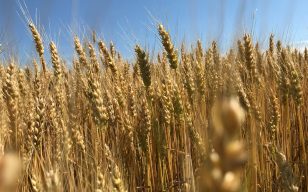
• Wheat planting expected to enter full swing the last week of September as more soybean fields were combined.
FORAGE
• The critical pre-harvest window for alfalfa was underway; regrowth after third cut was as excellent.
• Dry, favorable September weather resulted in higher-than-normal harvests of grassy hay fields.
• Overall, the region experienced a good year for hay production.

CORN
• We had our first tickle of frost during the week of Sept. 23. Frost on the roofs.
• Corn started to dent with husk changing colour. Unaware of anything at black layers.
SOYBEANS
• Early yields above average. Moisture below 11%.
• Stalks were tough but the beans were dry. Quite a variance in maturity, depending on soil type and crop rotation.
• White mould present in a lot of fields, but no crop disasters.
• Better yields than early August predicted. August made the soybeans.
CEREALS
• Fall crops in full swing planting.
• Drills lined up to chase the combines out of the soybean fields.
FORAGES
• The last of the hay was getting wrapped up. Pastures started to dry up after the longest dry stretch we have had all year.

CORN
• July and August rain was 200 percent above normal.
• August solar radiation was below the 10-year average.
• Some light frost Sept. 19 in the upper Ottawa Valley.
• Nitrogen deficiencies were evident due to excess rain through the summer.
• Keep an eye out for potential stalk lodging at harvest.
SOYBEANS
• Limited soybean harvesting started Sept. 20
• White mould and SDS were the biggest diseases this year.
• Reported yields average to slightly above average for early harvested beans.
• More desiccants being used in Eastern Ontario than 10 years ago.
CEREALS
• Winter Wheat: Acres increasing again in Eastern Ontario in anticipation of planting before thanksgiving
• Limited acres planted to date.
FORAGES
• Different reports on great yields but poor quality due to excess rains.
• Dry hay production was a challenge this year in a lot of locations.
• Refer to critical period of harvest for best winter survivability in your area.
• The last of the hay was getting wrapped up. Pastures started to dry up after the longest dry stretch we have had all year.

CORN
• No frost yet as of Sept. 23.
• Corn silage harvest was mostly completed with good yields and quality.
• Grain corn: Excellent yield potential. Husks were drying in a lot of fields. Some varieties made brown layer.
SOYBEANS
• Majority of the soybean crop was at 50 to 100 % leaf drop with early varieties very close to harvest by Sept. 23.
• Pods were well filled to the top of the plant.
• Combining expected to begin in earnest week of Sept. 30.
• High yields expected.
CEREALS
• A lot of acres of winter wheat yet to be planted after early soybeans.
• Wheat after canola was in the ground.
• Some acreages of wheat that were broadcast into standing beans a few weeks earlier lacked enough rain for good germination.
FORAGE
• Lots of hay harvested in the two weeks prior to Sept. 23 with weather finally drying up.
• Abundant amount of hay and forage.