
The soybean harvest, above, in Brazil. As the U.S. threatens tariffs around the world, some countries are looking elsewhere for grains. Countries like brazil are ramping up soybean production. In 2023, Brazil surpassed the U.S. to become the largest producer of soybeans in the world.
Canada produces too little to affect market prices
One of the most interesting things to watch in the commodity markets over the past few months has been the re-organization of global supply chains, particularly in terms of grain and oilseeds, and how those are shifting the marketplace for Ontario farmers.
 We already know how the U.S. trade policy, in terms of placing tariffs on China, will work out because we had an example of it in the first Trump presidency. Back in 2019, the United States put tariffs on Chinese goods being imported into America, and China responded by placing a tariff on U.S. soybeans flowing into China. At that point in history, the United States was the world’s biggest producer of soybeans and China was the world’s biggest buyer of soybeans. A lot has changed since then.
Back in 2018, (the crop before the first trade war), Brazil grew 86.16 million acres of soybeans and harvested a total crop of 120.5 million metric tonnes. Brazil’s soybean production has been growing, but in the 5 years (2013-2018) before this new round of tariffs, Brazil’s soybean acreage averaged 85.2 million acres with an average total production of 110,000-million metric tonnes. Following the initial volley of tariffs in 2019, it would appear that China, (and no doubt other countries as well), have made a concerted effort to develop other source markets for the soybeans which they need to import and Brazil’s production has exploded, increasing every year since the original soybean tariffs of 2019.
In the years between 2019 to 2024, Brazil’s average soybean production grew 17 %, up to an average of 100.56 million acres and 142.7 million metric tonnes. For the current 2025 crop years, they are at 115.68 million acres of soybeans with a total production of 169-million metric tonnes, a full 40 % increase from 2018 when all of this tariff fun began.
It’s really easy to understand why countries like China are actively trying to diversify themselves from being overly dependent on the United States. If your farm’s crop inputs supplier started charging a 10 % or 20 % “administrative services fee” for preparing your invoices, you’d start to look around for another vendor in the marketplace to take your business and those alternative crop inputs retailers would start to increase their storage and blending capacity in order to rise to the needs of all of the new customers searching for a new supplier.
We’ve seen a similar thing happen in the eastern Canadian grain markets, specifically with corn. Last fall, Ontario harvested one of the biggest corn crops in our province’s history, and yet 9 months later it is essentially all gone. Certainly all of our domestic markets for corn, such as feed, ethanol and wet milling have remained strong, but the increased interest from export buyers looking for reliable and stable sources of supply has tightened stocks.
For example, let’s say that you operate a feed mill in the EU. You need to buy corn to keep the mill running, and lately there has been a series of threats out of Washington about imposing punitive tariffs, (as high as 30 %), on products that the EU exports into America. It’s reasonable to assume that if such tariffs were imposed that the EU would respond with counter measures on U.S. exports heading to Europe. If you’re that feed mill in Europe, the simplest and safest option is to buy in your corn needs from Canada or South America even if it costs a little bit more. 10 cents a bushel is nothing compared to the drama of working through potential tariffs or counterveils, and what are the odds that anybody is going to get in a fight with Canada?
On a typical year, Ontario exports a little less than 1-million tonnes of corn. By comparison, the United States exports about 65 million metric tonnes of corn annually, so if an extra 200,000 tonnes of corn sail out the St. Lawrence River this spring and summer, it might be a big deal to our domestic corn market, but that 0.2 million tonne difference is undetectable in comparison to the 65 million tonnes of corn movement from the US. Americans can continue carrying on with their big corn exports and the Ontario market is already cleaned out.
On grain commodities which we export to the United States like soft red wheat, the trade uncertainty is problematic. Ontario grain elevator companies might be reluctant to put forward sales of wheat on to American flour millers for future delivery periods like March, April, May of 2026 right now because there’s no certainty that the trade relationship between Canada and the United States won’t change in 6 months than it is today, and even if the U.S. were to impose tariffs on Canadian wheat, the Canadian seller would still be obligated to deliver the bushels sold on those contracts. Basis values for wheat in south western Ontario would be stronger right now if buyers believed that they had reliable access to the U.S. market for the foreseeable future.
Even if U.S. trade policy softens its tone toward other nations, the changes are permanent. We all know that over the course of the next 2 or 3 election cycles in the United States, the policy makers in Washington will change, but the investments made in grain storage, handling, and export capacity in South America, and even the Great Lakes, are not going to be torn down or moth balled if the U.S. backs down on its tariff policy and Brazil’s 30-million acre growth in soybean production is not going to slip back into forest. These are forever acres.
Earlier in this article I used the example of a crop inputs business losing customers due to administrative fees and their competitors expanding in order to meet the needs of their new customers. Even if the original fertilizer supplier fixes their billing issues, their former customer won’t hurry back, and the other fertilizer plants in the area won’t idle their new blenders. None of the investments made, as countries move to diversify their trade away from a dependence on America, go away even if trade deals get signed with a big black sharpie.
Steve Kell is a Simcoe County crop farmer and handles grain merchandizing for Kell Grain, with elevators in Belleville and Gilford
















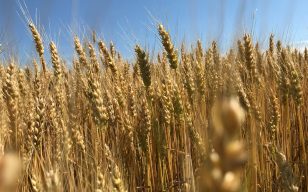




















STEVE KELL: Countries seek new markets due to U.S. tariff threats
The soybean harvest, above, in Brazil. As the U.S. threatens tariffs around the world, some countries are looking elsewhere for grains. Countries like brazil are ramping up soybean production. In 2023, Brazil surpassed the U.S. to become the largest producer of soybeans in the world.
Canada produces too little to affect market prices
One of the most interesting things to watch in the commodity markets over the past few months has been the re-organization of global supply chains, particularly in terms of grain and oilseeds, and how those are shifting the marketplace for Ontario farmers.
Back in 2018, (the crop before the first trade war), Brazil grew 86.16 million acres of soybeans and harvested a total crop of 120.5 million metric tonnes. Brazil’s soybean production has been growing, but in the 5 years (2013-2018) before this new round of tariffs, Brazil’s soybean acreage averaged 85.2 million acres with an average total production of 110,000-million metric tonnes. Following the initial volley of tariffs in 2019, it would appear that China, (and no doubt other countries as well), have made a concerted effort to develop other source markets for the soybeans which they need to import and Brazil’s production has exploded, increasing every year since the original soybean tariffs of 2019.
In the years between 2019 to 2024, Brazil’s average soybean production grew 17 %, up to an average of 100.56 million acres and 142.7 million metric tonnes. For the current 2025 crop years, they are at 115.68 million acres of soybeans with a total production of 169-million metric tonnes, a full 40 % increase from 2018 when all of this tariff fun began.
It’s really easy to understand why countries like China are actively trying to diversify themselves from being overly dependent on the United States. If your farm’s crop inputs supplier started charging a 10 % or 20 % “administrative services fee” for preparing your invoices, you’d start to look around for another vendor in the marketplace to take your business and those alternative crop inputs retailers would start to increase their storage and blending capacity in order to rise to the needs of all of the new customers searching for a new supplier.
We’ve seen a similar thing happen in the eastern Canadian grain markets, specifically with corn. Last fall, Ontario harvested one of the biggest corn crops in our province’s history, and yet 9 months later it is essentially all gone. Certainly all of our domestic markets for corn, such as feed, ethanol and wet milling have remained strong, but the increased interest from export buyers looking for reliable and stable sources of supply has tightened stocks.
For example, let’s say that you operate a feed mill in the EU. You need to buy corn to keep the mill running, and lately there has been a series of threats out of Washington about imposing punitive tariffs, (as high as 30 %), on products that the EU exports into America. It’s reasonable to assume that if such tariffs were imposed that the EU would respond with counter measures on U.S. exports heading to Europe. If you’re that feed mill in Europe, the simplest and safest option is to buy in your corn needs from Canada or South America even if it costs a little bit more. 10 cents a bushel is nothing compared to the drama of working through potential tariffs or counterveils, and what are the odds that anybody is going to get in a fight with Canada?
On a typical year, Ontario exports a little less than 1-million tonnes of corn. By comparison, the United States exports about 65 million metric tonnes of corn annually, so if an extra 200,000 tonnes of corn sail out the St. Lawrence River this spring and summer, it might be a big deal to our domestic corn market, but that 0.2 million tonne difference is undetectable in comparison to the 65 million tonnes of corn movement from the US. Americans can continue carrying on with their big corn exports and the Ontario market is already cleaned out.
On grain commodities which we export to the United States like soft red wheat, the trade uncertainty is problematic. Ontario grain elevator companies might be reluctant to put forward sales of wheat on to American flour millers for future delivery periods like March, April, May of 2026 right now because there’s no certainty that the trade relationship between Canada and the United States won’t change in 6 months than it is today, and even if the U.S. were to impose tariffs on Canadian wheat, the Canadian seller would still be obligated to deliver the bushels sold on those contracts. Basis values for wheat in south western Ontario would be stronger right now if buyers believed that they had reliable access to the U.S. market for the foreseeable future.
Even if U.S. trade policy softens its tone toward other nations, the changes are permanent. We all know that over the course of the next 2 or 3 election cycles in the United States, the policy makers in Washington will change, but the investments made in grain storage, handling, and export capacity in South America, and even the Great Lakes, are not going to be torn down or moth balled if the U.S. backs down on its tariff policy and Brazil’s 30-million acre growth in soybean production is not going to slip back into forest. These are forever acres.
Earlier in this article I used the example of a crop inputs business losing customers due to administrative fees and their competitors expanding in order to meet the needs of their new customers. Even if the original fertilizer supplier fixes their billing issues, their former customer won’t hurry back, and the other fertilizer plants in the area won’t idle their new blenders. None of the investments made, as countries move to diversify their trade away from a dependence on America, go away even if trade deals get signed with a big black sharpie.
Steve Kell is a Simcoe County crop farmer and handles grain merchandizing for Kell Grain, with elevators in Belleville and Gilford